June 2026
Your First Job Is Where Your Reputation Starts
A letter to new grads stepping into the workforce
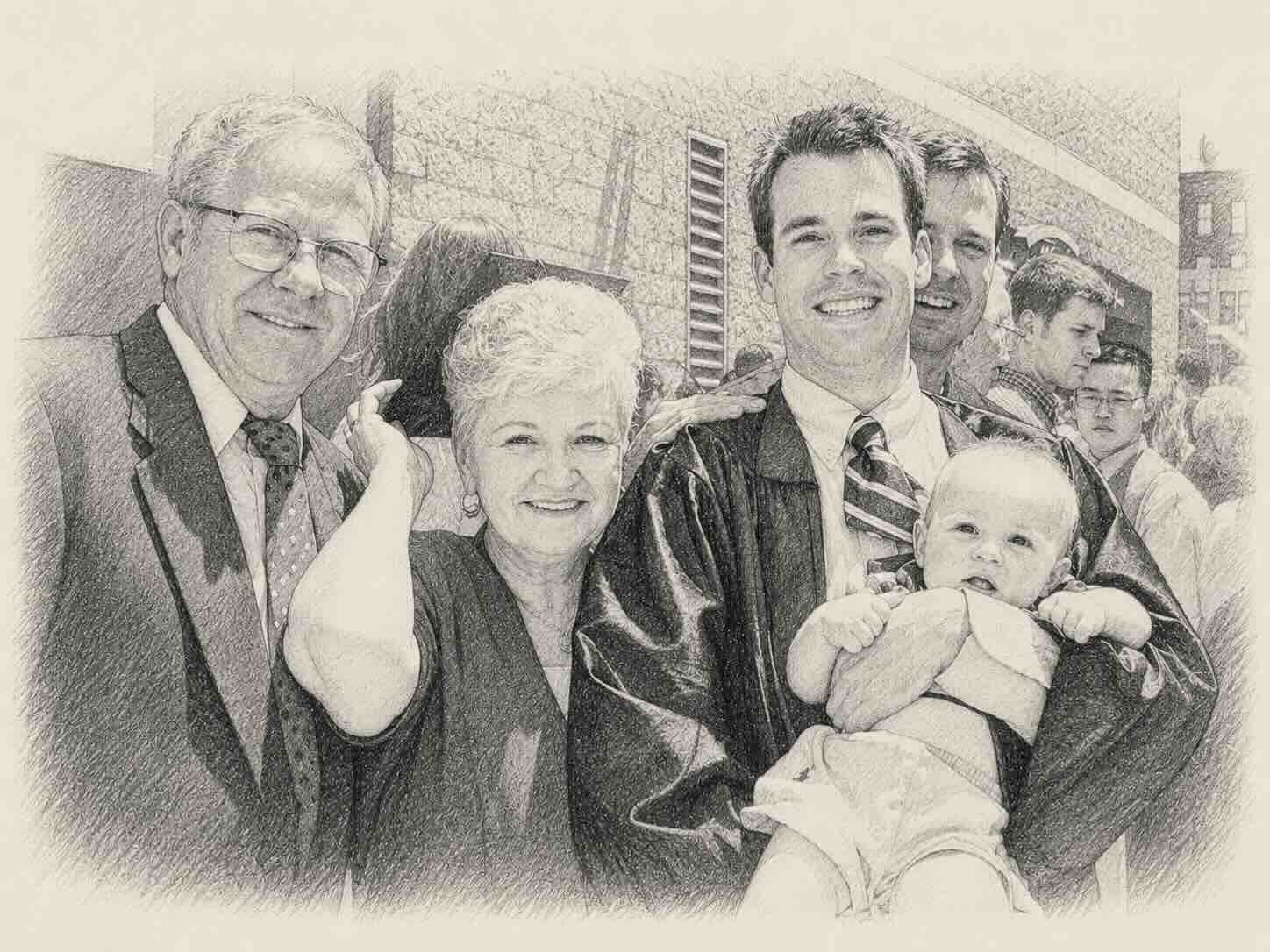
Dear new grads,
Congratulations. Stepping into the workforce is a big moment. These first few years will teach you a lot about work, people, responsibility, pressure, confidence, and yourself.
You’ll meet people who change how you think. You’ll get chances you feel ready for and a few you don’t. You’ll make mistakes, recover, and slowly start to see what kind of work gives you energy and who you want to become.
As you step into all of that, here are a few things I wish someone had told me more clearly when I was starting out. I hope it helps.
- Your degree gets you in the building. Your habits keep you there. Once you start, the game changes quickly. Nobody cares which class you aced if your work is late, sloppy, vague, or hard to use. The people who get trusted early usually aren’t the loudest or most brilliant. They’re the ones who make life easier for the people around them.
- Learn how your company makes money. This sounds obvious, but a lot of people never really understand it. Who buys? Why do they buy? What problem are they trying to solve? What makes them stay? What makes them leave? What costs too much? What breaks the model? The faster you understand the business, the faster your work gets smarter.
- Make your manager feel calm. This is underrated. Your manager shouldn’t have to wonder where something stands, whether you understood the assignment, or whether a deadline is in danger. Send updates before they ask. Flag risks early. Bring options, not just problems. Calm is currency.
- Be easy to coach. When someone gives you feedback, don’t argue with the first sentence. Don’t explain your intent for five minutes. Don’t make them regret helping you. Listen. Ask a clarifying question. Say thank you. Then show them, through your next version, that you actually heard it.
- Get good at writing. Clear writing is how people know whether you can think. Learn to write emails, updates, summaries, briefs, notes, and recommendations that are clear, direct, and useful. If people have to read your message three times to understand what you mean, you’ve created more work for them.
- Own the outcome. There’s a big difference between “I worked hard on this” and “I made sure this got done right.” Early in your career, people will forgive a lot if they see real ownership. They’ll forgive much less if they see excuses dressed up as effort.
- Don’t make senior people chase you. If someone asks you for something, acknowledge it. If you need more time, say so before the deadline. If you owe a response, respond. If you dropped the ball, pick it up fast. The fastest way to look junior is to make other people manage your loose ends.
- Find the person everyone quietly trusts. Every company has one. Sometimes it’s not the person with the biggest title. It’s the person who knows how things really work, who people go to when they need the truth, who can explain the unwritten rules without making a speech. Learn from that person.
- Be careful with cynicism. A little skepticism is healthy. Cynicism is lazy. It makes you feel smart while slowly making you useless. Every company has problems. Every process has flaws. Every leader has blind spots. See them clearly, but don’t become the person who only knows how to roll their eyes.
- Use AI, but don’t let it make you average. AI can help you draft, research, summarize, and think. Great. Use it. But don’t outsource your judgment. Don’t send work you barely read. Don’t confuse faster output with better thinking. Use AI to raise your standards, not lower your effort.
- Build a reputation in the small stuff. Be on time. Follow through. Prepare. Say please and thank you. Remember names. Close loops. Fix mistakes. Give credit. Ask better questions. These things sound basic because they are. That’s why it’s so strange how many people don’t do them.
- Stay close to the work. Don’t be in a hurry to float above the details. The details are where taste, judgment, and confidence come from. Learn the customer calls. Learn the spreadsheet. Learn the messy process. Learn why the thing that looks simple from the outside is actually hard. That’s how you become useful.
Your first few years aren’t about having it all figured out. Nobody does. They’re about becoming the kind of person people trust with more responsibility, more context, more opportunity, and more problems worth solving. That’s how careers are built. Quietly. Through the work people remember.
Good luck out there. You got this.